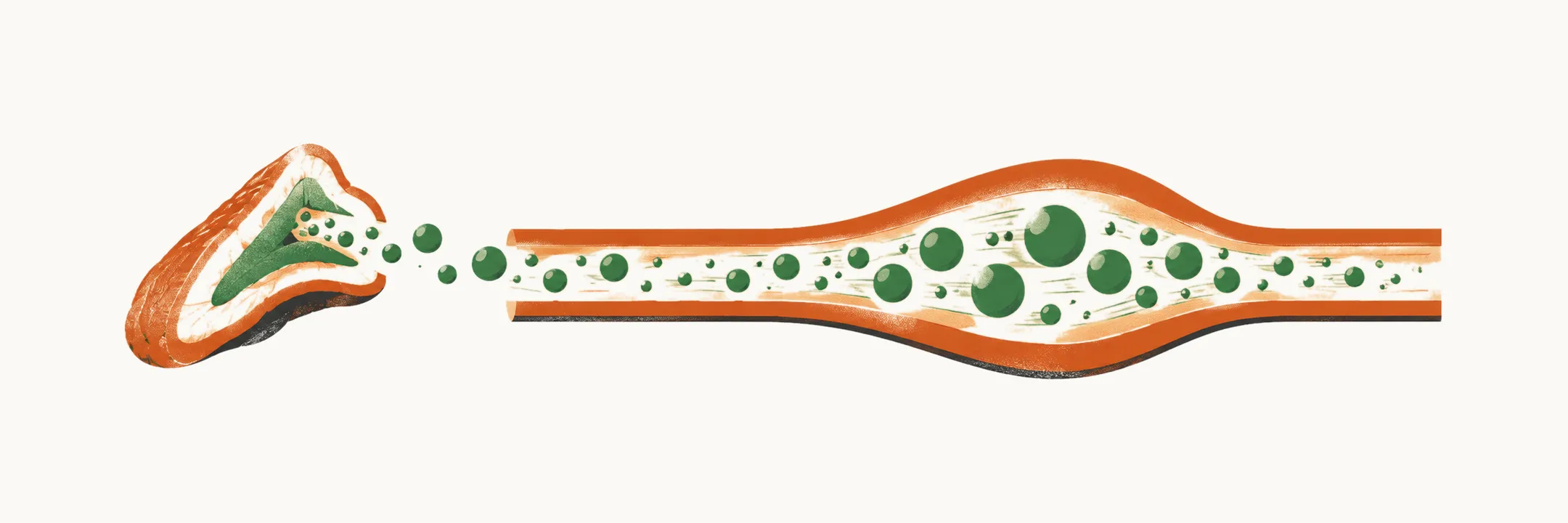
Endocrine hypertension is high blood pressure caused by hormonal excess. Most hypertension is primary, or essential, meaning the pressure is high with no single identifiable cause. A minority is secondary to an identifiable renal or endocrine condition, and that minority is worth finding because it is often correctable. Removing or blocking the hormonal excess can normalise blood pressure, whereas medication alone only controls it in these cases.
The idea that links everything here is that each hormonal cause raises blood pressure in its own way. That is why each one has its own clinical clues, its own tests and its own treatment.
The four notes
- Blood Pressure Classification and Causes of Secondary Hypertension explains how blood pressure is graded, how common secondary and endocrine causes are across age groups, and which endocrine and non-endocrine conditions produce secondary hypertension.
- Diagnosing Endocrine Hypertension explains why an early diagnosis changes treatment, what resistant hypertension is (pressure stays high despite several antihypertensive drugs), which patients should be screened, and the clinical clues and tests that point to each cause.
- Key Points on Specific Endocrine Causes explains the prevalence, at-risk groups and mechanisms of primary aldosteronism (excess aldosterone from the adrenal gland), pheochromocytoma (a catecholamine-secreting tumour) and hypercortisolism (excess cortisol).
- Treatment of Endocrine Hypertension explains how each cause is treated, from adrenal surgery to mineralocorticoid blockade, which blocks the receptor through which aldosterone acts, and the preoperative precautions that make resection safe.
Where to start
The notes can be read in order: causes, recognition, how each raises blood pressure, treatment. Each answers the question the previous one raises. A reader who already knows the causes can go straight to the note that answers the question at hand. For a first reading, start with the causes: which conditions raise blood pressure, and how is a reading sorted into normal, elevated or hypertensive?