Autoimmune hepatitis (AIH) is uncommon enough to meet the usual definition of a rare disease across the world, although the reported figures depend on how actively cases are sought.
How common it is
Prevalence is the number of people living with a disease at a given time. In Europe the prevalence of AIH is about 15-20 cases per 100,000 people, and in the United States the number of people living with AIH is estimated at between 100,000 and 200,000. The disease also makes a small but steady contribution to transplantation: 2-3% of paediatric and 4-6% of adult liver transplants in Europe and the United States are performed for AIH.
Who is affected
The disease is more common in women. In some regions up to 90% of cases are female, and in most regions more than 60% of new cases are girls, giving a female-to-male ratio of about 3:1.
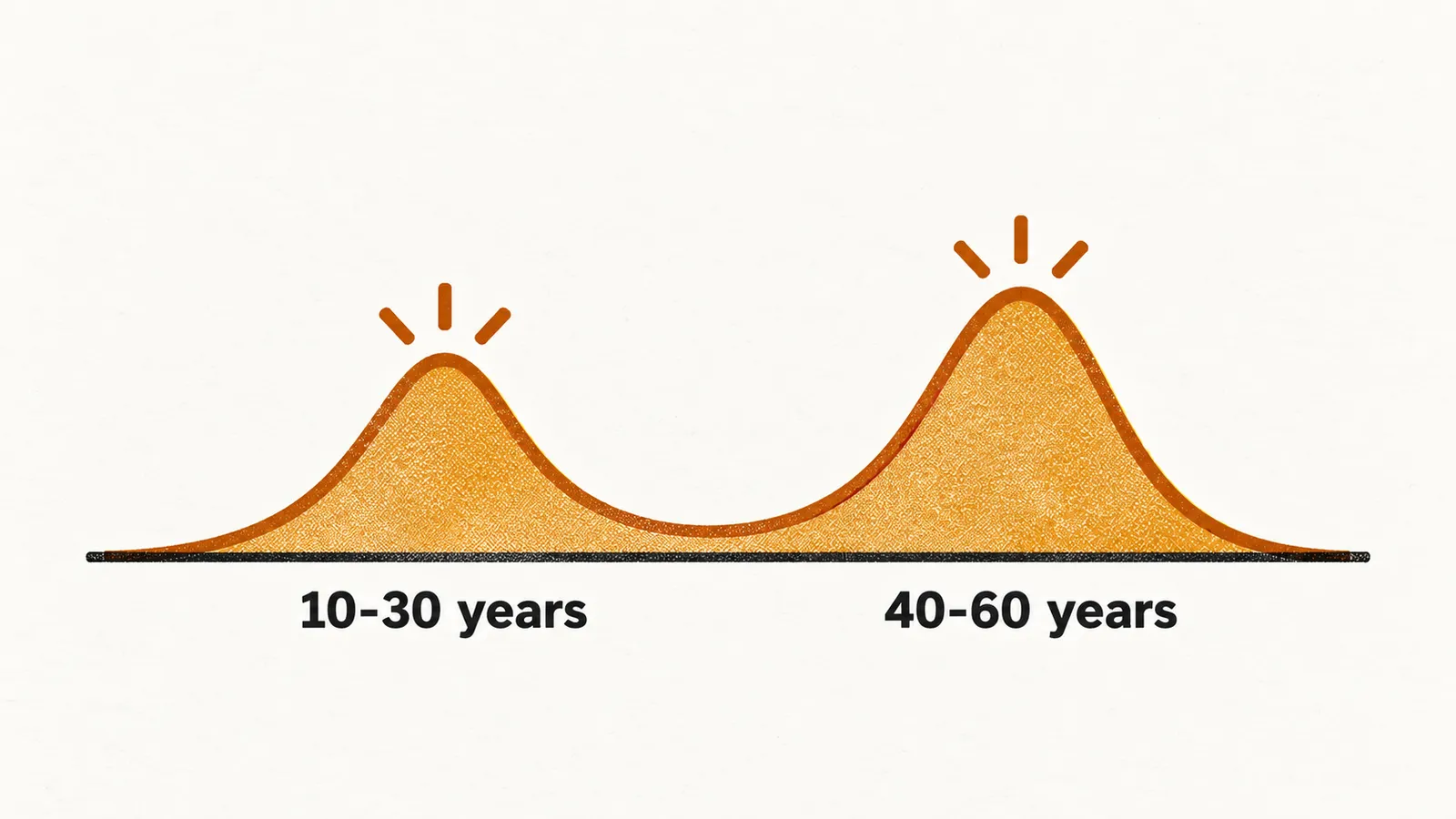
The age at onset follows a bimodal pattern, meaning there are two peaks: one between 10 and 30 years and a second between 40 and 60 years. Because the peaks fall in early adulthood and again in middle age, age alone does not make the diagnosis unlikely in either a young person or an older adult. The next question is how the disease shows itself in a patient once it has begun, which is what its clinical features describe.