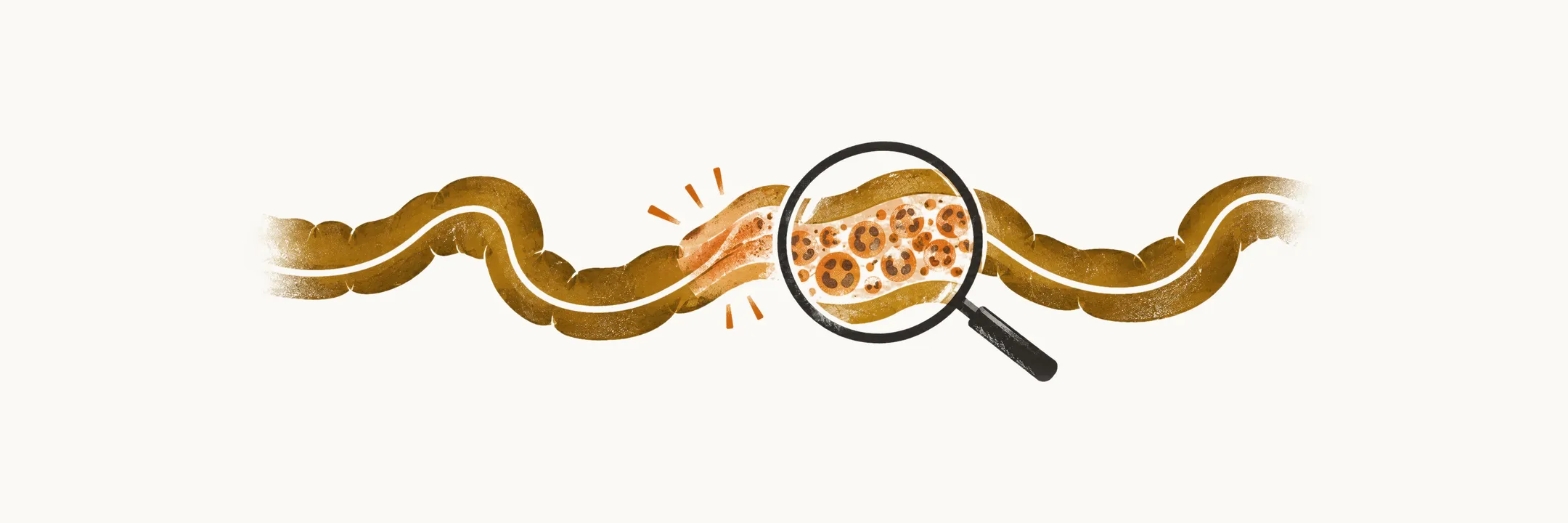
Eosinophilic gastrointestinal disorders, or EGIDs, are conditions in which eosinophils, a type of white blood cell normally scarce in the gut wall, accumulate there as selective eosinophil-rich inflammation. The diagnosis requires GI symptoms in the patient and no other cause of eosinophil accumulation, such as drug reactions, parasitic infections or malignancies.
Classification by site
The EGIDs share one immune mechanism but are named by the segment they inflame: eosinophilic esophagitis (EoE), eosinophilic gastritis (EoG), eosinophilic enteritis (EoN) and eosinophilic colitis (EoC). GI symptoms relate to the site of inflammation. When more than one anatomical entity is involved, the disorder is named after each site, and the term eosinophilic gastroenteritis is reserved for the cases in which both the stomach and the small bowel are affected.
Because the symptoms depend on which segment is inflamed, understanding the disorders runs from the shared immune mechanism to the syndromes it produces:
- Pathophysiology of Eosinophilic Gastrointestinal Disorders explains how genetic, environmental and immune factors recruit eosinophils into the gut wall, and why eosinophil accumulation is not by itself diagnostic.
- Eosinophilic Esophagitis: Background and Clinical Features explains how eosinophil-associated esophageal disorders are classified and how EoE presents at different ages and at endoscopy.
- Eosinophilic Esophagitis: Diagnosis and Management explains how the diagnosis is confirmed, how it is separated from GERD, and why treatment is lifelong.
- Eosinophilic Gastritis, Enteritis and Colitis explains the non-esophageal EGIDs, whose presentation depends on the segment and the depth of inflammation.