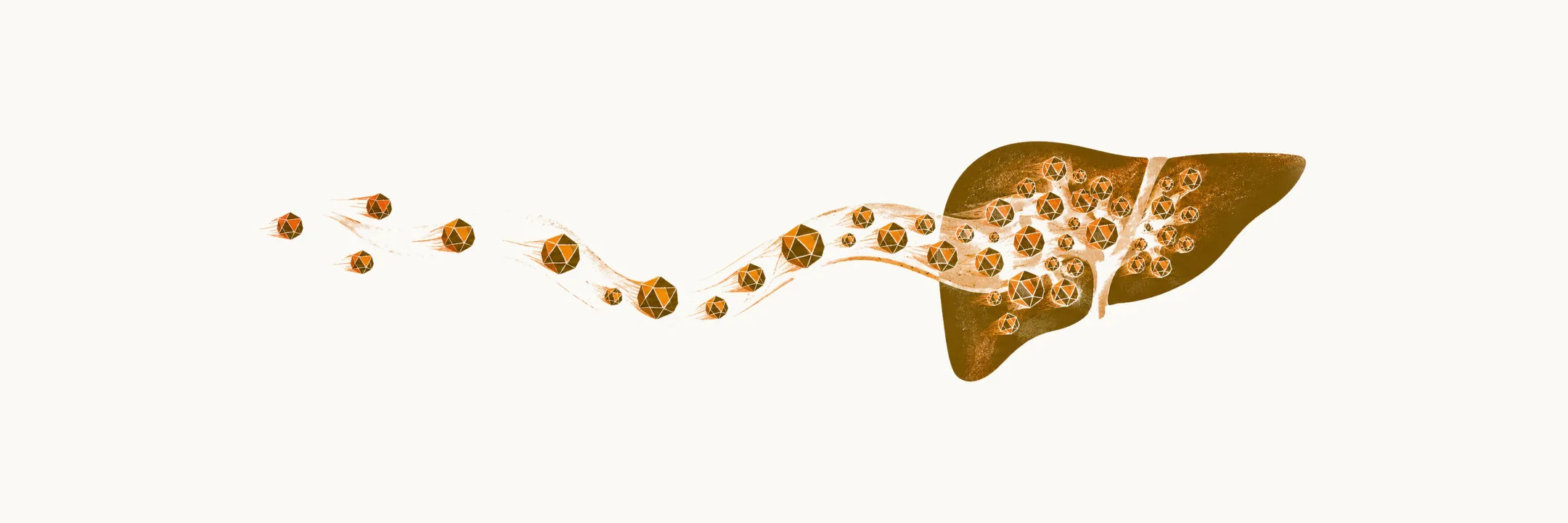
Hepatitis A, sometimes called infectious hepatitis, is an acute inflammation of the liver caused by the hepatitis A virus (HAV). The virus spreads mainly by the fecal-oral route, meaning it leaves one person in feces and enters another by mouth, through contaminated food or water or close contact with an infected person. The infection is self-limiting: it does not become chronic and does not cause lasting liver damage.
Because HAV is acquired by mouth and shed in feces, one route of transmission connects who is at risk, how the infection is prevented, and why it spreads so readily in close communities.
Where to start
- Hepatitis A: Epidemiology — how HAV circulates in populations, which groups are at highest risk, and why incidence has shifted towards adults.
- Hepatitis A Virus: Structure, Entry and Immune Clearance — the viral components, the receptor it uses to enter cells, and how the immune system clears it without chronic infection.
- Hepatitis A: Clinical Course, Diagnosis and Management — the abrupt symptoms, how the infection is confirmed, its complications, and how it is managed.
- Hepatitis A: Prevention — vaccination with the inactivated vaccine and post-exposure prophylaxis.