
Treatment works on the same things the earlier notes described: how much energy goes in and out, the appetite signals in the brain, and the fat that harms the organs. The body does not treat a lower weight as neutral. When fat falls, the signals that drive hunger shift toward eating more, and the body works to restore the weight it had. Obesity is a chronic disease, so treatment is long-term, and the aim is sustained weight loss that improves health, not a single episode of loss.
Treatment runs from lifestyle change, through pharmacotherapy, to metabolic and bariatric surgery. It is combined with prevention and treatment of the complications the patient already has. As the obesity-complications note showed, fat contributes to several of the diseases a patient may already have, so treating them belongs to the same plan. The first step is lifestyle change, so that is where treatment starts.
Where does treatment start?
Lifestyle modification is first-line therapy for overweight and obesity. The most effective approach combines a moderately reduced-calorie diet, increased physical activity and behavioural strategies that help a person keep to the plan. As the obesity-measurement note showed, resting energy use makes up most of daily energy use in a sedentary person, with physical activity the rest.
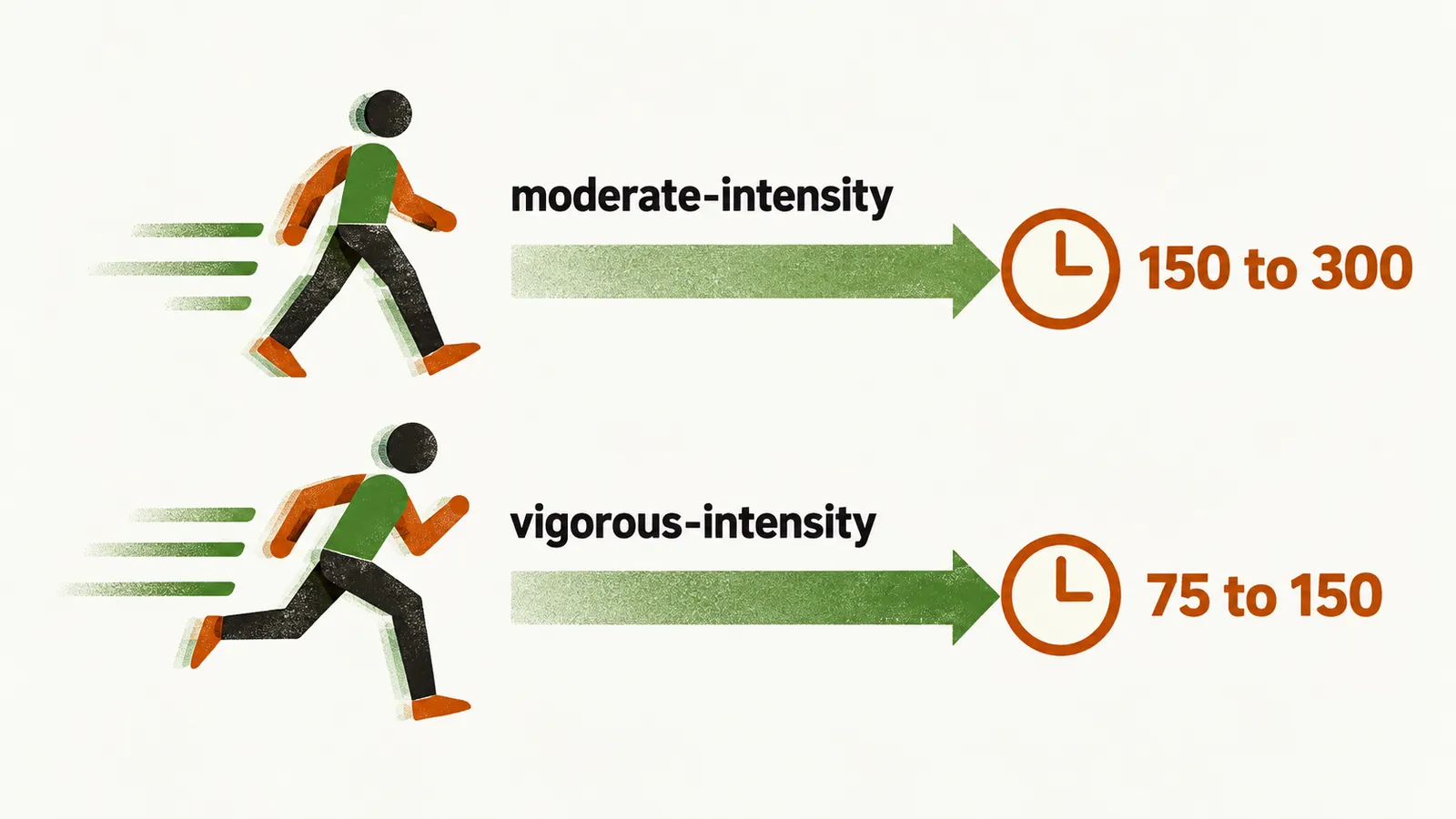
For substantial health benefit, adults should reach at least 150 to 300 minutes a week of moderate-intensity aerobic activity, or 75 to 150 minutes a week of vigorous-intensity activity.
Why is lifestyle change often not enough?
Lifestyle change has a limit, and that limit is the reason the later steps exist. Weight loss from lifestyle change alone averages about 5%. That is often not enough to give most patients lasting improvement.
Why does the loss not last? When fat falls, plasma leptin falls, which stimulates appetite and suppresses energy expenditure. Ghrelin levels have been shown to rise after weight loss. These signals push back against the loss, so lifestyle change alone often fails to produce durable loss. Pharmacotherapy and surgery exist as further steps because lifestyle change alone is often insufficient.
How much weight loss is enough?
Lifestyle change alone averages about 5%, so the next question is how much loss is worth aiming for. A loss of 5% is the accepted marker of clinically meaningful weight loss.
The benefit of weight loss is progressive. A reduction of 5% to 10% improves blood pressure, triglycerides, LDL cholesterol, blood glucose and sleep apnoea. The obesity-complications note showed how fat is thought to raise blood pressure through sympathetic activity and sodium retention, narrow the airway in sleep, and link to insulin resistance and blood lipids, a proposed set of explanations.
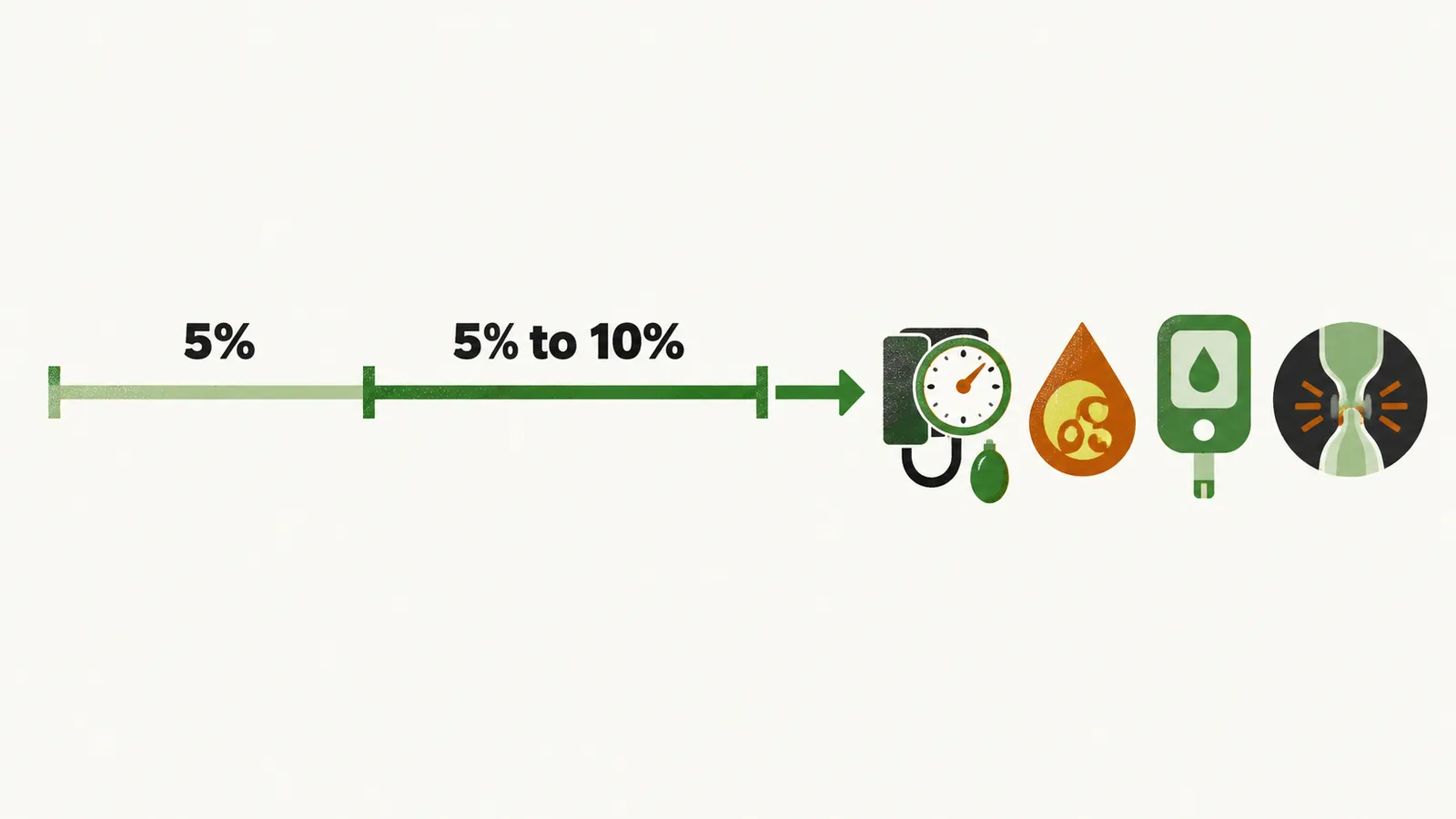
A patient who needs to resolve a weight-related comorbidity (cardiovascular disease, sleep apnoea or steatotic liver disease) should aim for at least 10%.
What does pharmacotherapy add?
Since the lifestyle loss is often short of lasting improvement, drugs fill the gap between lifestyle change and surgery. Lifestyle alone often fails to produce durable loss, and surgery is highly effective but invasive and often not desired. In 2025 WHO issued recommendations for three agents for long-term treatment of obesity in adults.
How do these drugs act?
The drugs work on the same appetite signals, so the question is how a drug can reach them. Liraglutide and semaglutide are GLP-1 receptor agonists. GLP-1, the gut and brain hormone from the obesity-neurobiology note, is the hormone these drugs act on. It reduces appetite. By acting on the central nervous system, GLP-1 receptor agonists suppress appetite and enhance satiety signalling, which leads to reduced caloric intake.
Tirzepatide is a dual GIP/GLP-1 receptor agonist, acting on receptors for GLP-1 and for GIP (glucose-dependent insulinotropic polypeptide). It engages the GIP receptor more strongly than the GLP-1 receptor, so it is more than a copy of GLP-1.
What do they achieve, and what happens when they stop?
The drugs act on appetite, and that is what gives the loss. Current pharmacotherapy can produce 10% to 20% weight loss. The drugs act on the brain to reduce food intake.
Current pharmacotherapy can also improve steatotic liver disease, type 2 diabetes, obstructive sleep apnoea and cardiovascular events. The obesity-complications note traced these diseases to fat, so the weight lost is one route by which they may improve, a proposed explanation.
Pharmacotherapy is used together with behaviour change, individualised to the patient, and taken long term. While the drug is taken, its effect on appetite holds the weight down, so a drug used long term keeps that hold in place. When the drug stops, the appetite suppression it gave is lost while the body’s push to regain weight is still present. Weight regain after stopping pharmacotherapy is expected, and a proposed explanation is that mismatch.
What does surgery change?
Surgery is the step for those who need more, and it acts on the gut. It is highly effective but invasive and often not desired. Metabolic and bariatric surgery achieves about 25% weight loss.
Surgery changes the route food takes through the stomach and intestine. Food reaches the intestine faster, and the rise in GLP-1 after a meal can be explained by faster gastric emptying and rapid delivery of nutrients to the intestine. The operation also raises the secretion of gut hormones with a documented role in appetite, including GLP-1 and PYY.
Surgery reduces all-cause mortality as well as other cardiovascular consequences of obesity. As the obesity-complications note showed, fat contributes to the diseases that shorten life, and a proposed explanation is that the lower mortality comes through those diseases.
Who is offered each step?
Each step is judged by how much weight must come off and what the fat is already doing. Measures of central adiposity, ethnicity-specific BMI and the presence of adiposity-related complications guide the decision to start pharmacotherapy, rather than BMI alone. As the obesity-measurement note showed, BMI does not show where the fat sits, so waist circumference is read beside it, and as the obesity-complications note showed, central fat carries extra risk.
Surgery is recommended for a BMI of 35 kg/m² or more regardless of comorbidity. It is considered for a BMI of 30 to 34.9 kg/m² with metabolic disease such as type 2 diabetes, hypertension, cardiovascular disease, obstructive sleep apnoea, asthma, steatotic liver disease, chronic kidney disease, polycystic ovary syndrome or gastro-oesophageal reflux disease.
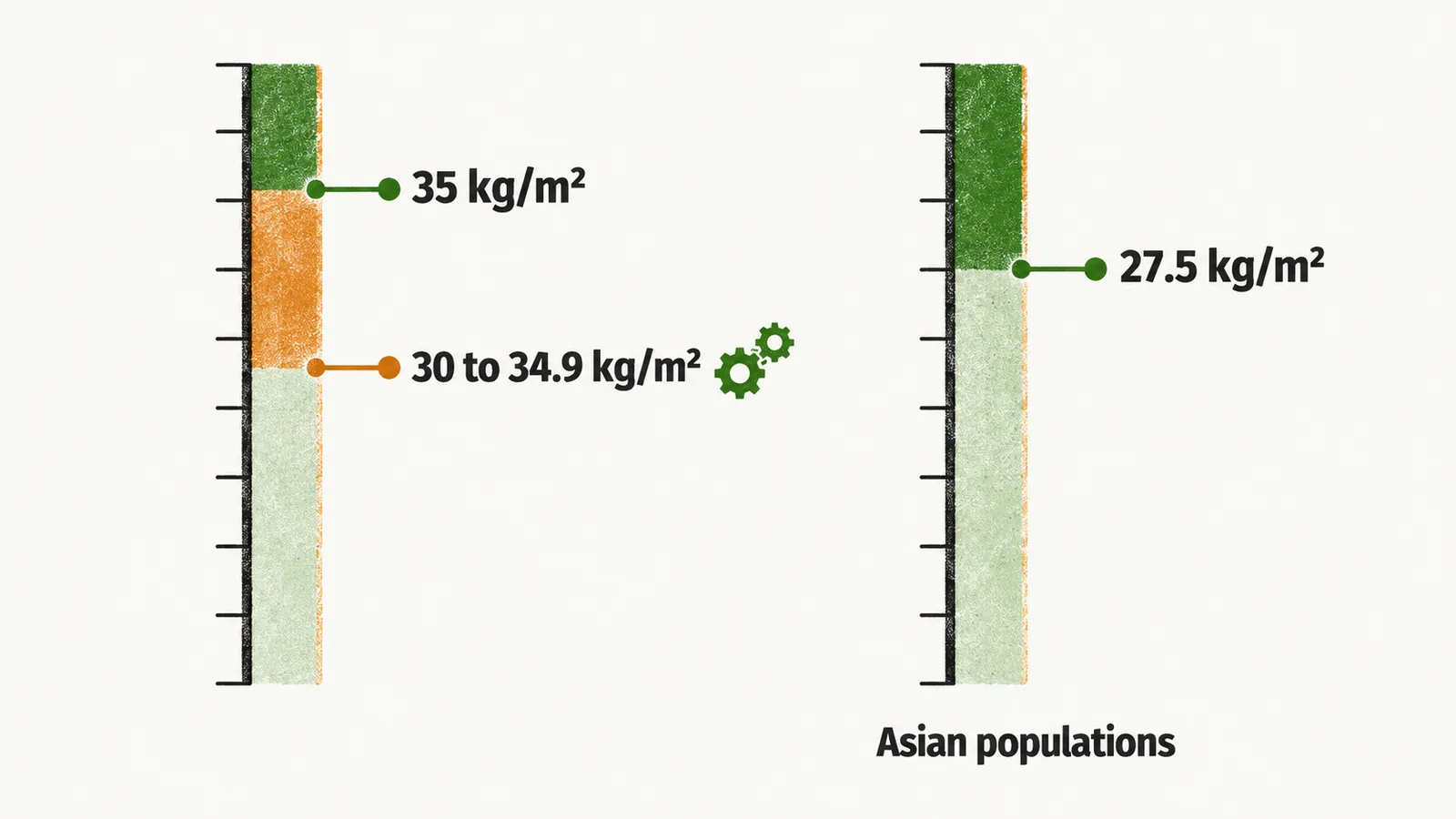
In Asian populations the thresholds are lower. As the obesity-epidemiology note said, one BMI cut-off cannot fit every population. A BMI of 27.5 kg/m² or more should be offered surgery. Appropriately selected adolescents may also be considered for surgery.
So how is that fat counted, and what is it already doing to the body?