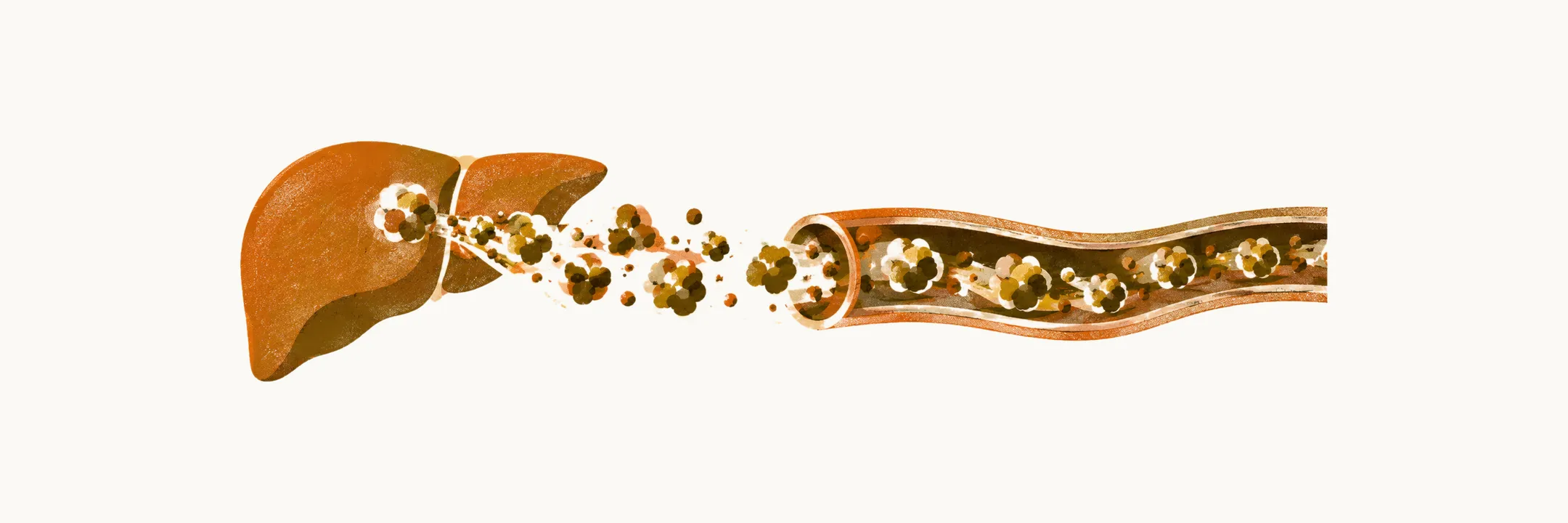
Chronic hepatitis C damages more than the liver. It is one of the leading causes of hepatocellular carcinoma; it drives immune-complex and lymphoproliferative disease; and it is associated with skin and metabolic disorders and with a wider group of extra-hepatic disorders, meaning disorders outside the liver.
Hepatocellular carcinoma
Hepatocellular carcinoma (HCC) is the primary cancer of hepatocytes, the main liver cells. Chronic infection with hepatitis B virus (HBV) and HCV together is the major risk factor for HCC, accounting for around 80% of cases worldwide. Among people with HCV-related cirrhosis, the annual risk of HCC is about 1-4%, and more than 50% of HCC arising in chronic hepatitis is attributed to HCV infection.
Immune-complex and lymphoproliferative disease
One important laboratory sign of HCV infection is a precipitate of IgM that forms at cooler temperatures, called HCV-associated cryoglobulin — the phenomenon that gives cryoglobulinemia its name.
Essential mixed cryoglobulinemia (EMC) is the related immune-complex disorder, in which antibody complexes deposit in small blood vessels. It belongs to the B-cell lymphoproliferative disorders, diseases in which B cells multiply abnormally, and can, in rare cases, progress to B-cell lymphoma.
Skin and metabolic associations
HCV has been associated with the skin disorders lichen planus and porphyria cutanea tarda; the relation between HCV and these dermatological disorders is not yet established.
Metabolic disorders arise because the virus relies on lipoprotein assembly and production for its life cycle, and the metabolic complications of HCV infection include hepatic steatosis, fat accumulation in the liver, and hypercholesterolemia.
Other extra-hepatic associations
Chronic HCV has also been linked to a wider group of extra-hepatic disorders:
- cardiovascular disorders
- cerebrovascular disorders
- non-liver malignancies
- renal diseases
- cognitive disorders
- rheumatological disorders
These outcomes follow chronic infection, which raises the question of how new infections can be stopped when there is no vaccine.