What it is
Type 2 diabetes is a chronic metabolic disease in which blood glucose stays too high because the tissues respond poorly to insulin and the pancreatic β cells eventually cannot secrete enough to compensate. It develops over years from genetic and environmental factors together, and its prevalence has risen about six-fold over the past 40 years.
The one balance behind it
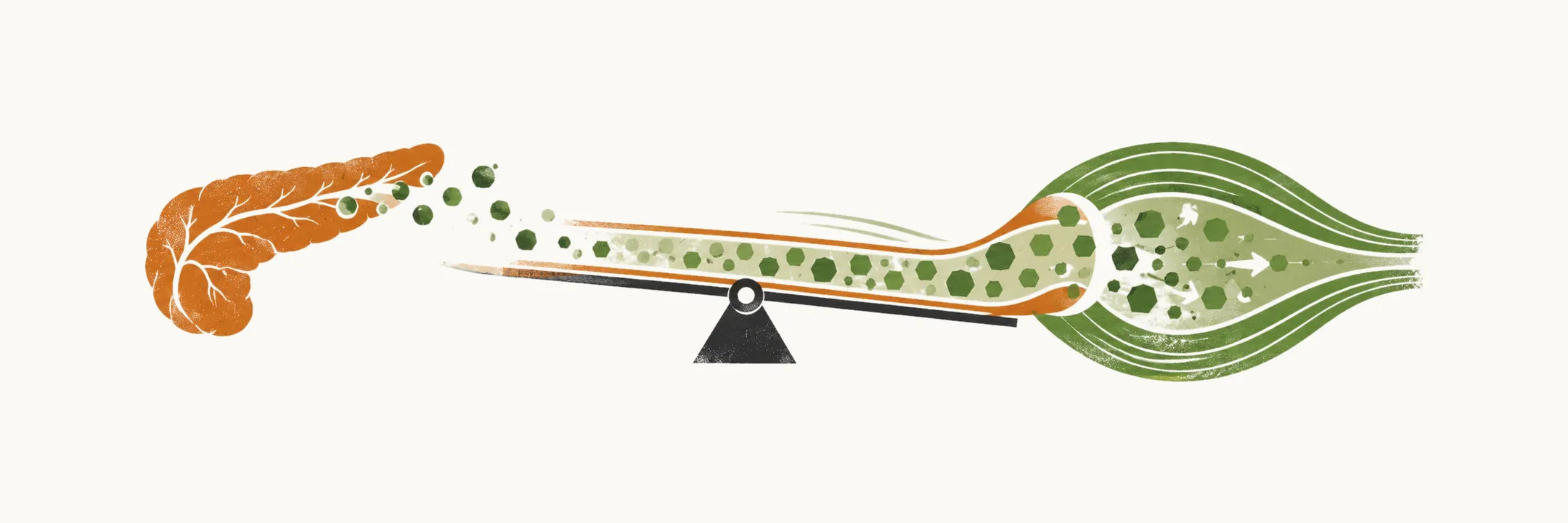
Why does the disease appear when insulin resistance outruns the secretion the β cells can mount? Those parts of the definition are one balance, and every note is built around it.
The tissues respond poorly to insulin, and the β cells eventually cannot secrete enough to compensate, as the Risk factors for type 2 diabetes mellitus note sets out. Insulin sensitivity and β-cell secretion are the two sides of the balance, as the Normal glucose homeostasis note sets out. The β cells make up for a falling insulin response for a time, and the disease appears when that compensation stops keeping pace, as the Pathophysiology of type 2 diabetes mellitus note sets out.
The notes, in learning order
The notes follow that balance, starting with who is at risk and the normal physiology the disease departs from.
- Risk factors for type 2 diabetes mellitus: who is more likely to develop the disease, in adults and in children and adolescents, and the environmental factors involved.
- Normal glucose homeostasis: how the body keeps blood glucose steady between meals and clears a glucose load after eating, the normal state the disease departs from.
- Pathophysiology of type 2 diabetes mellitus: where insulin resistance develops, how insulin secretion fails, and how the disease runs over time.
- Role of adipocytes in the pathogenesis of type 2 diabetes mellitus: how fat tissue contributes to the disease through fatty acids and the messengers it releases.
- Eight mechanisms of hyperglycemia in type 2 diabetes mellitus: the eight mechanisms that act together to raise glucose.
- Genetic basis of type 2 diabetes mellitus: why the disease is polygenic, and how genetic susceptibility differs from type 1 diabetes.
- Presentation of type 2 diabetes mellitus: how the disease usually appears, often silently, and the symptoms and emergencies when it does not.
- Diagnosis of type 2 diabetes mellitus: the tests and thresholds that separate normal glucose, prediabetes and diabetes, and who should be screened.
- Complications of type 2 diabetes mellitus: how the disease damages small and large blood vessels, and how complications are prevented.
- Lifestyle prescription in type 2 diabetes mellitus: how diet and physical activity are prescribed, and why exercise intensity and duration choose the fuel the muscle uses.
Where to start
Read the notes in the order above, which follows the balance. Start with risk factors, then normal physiology, then how the balance fails, then the clinical notes, which follow the disease from bedside recognition to its consequences and management. So who is more likely to develop it, and what makes the balance tip in those people?